
Wondering if it could be Autism?
Book an Autism Assessment with Access Psych.
Access Psych offers trauma-informed, evidence-based Autism assessments for children, adolescents and adults.

Access Psych offers trauma-informed, evidence-based Autism assessments for children, adolescents and adults.
Thank you for your interest in booking an Autism Assessment with Access Psych.
An Autism Assessment can give you the clarity you’ve been looking for. It can help you:
Assessments are offered face-to-face at our Access Psych clinics in Sydney CBD, Adelaide CBD and Perth, and some assessments can also be completed via telehealth.
No matter whether your assessment is conducted face-to-face or via telehealth, our aim is to help you feel informed, supported and comfortable throughout the assessment journey.

Please note:
Who we Assess and How
Children and adolescents aged 6-17 years:
Autism Assessments for children and adolescents are conducted face‑to‑face only at an Access Psych clinic in Sydney, Adelaide or Perth.
The results feedback session is conducted with a parent via phone call (or via video-call if requested).
Adults aged 18 years and older:
Autism Assessments for adults are conducted via telehealth, or face‑to‑face at an Access Psych clinic in Sydney, Adelaide or Perth.
The results feedback session is conducted via phone call (or via video-call if requested).

1. Booking and Online Questionnaires
Once your booking is confirmed, you will receive a welcome pack containing links to online questionnaires.
These questionnaires are completed by you, and someone who knows you (for example, a spouse, parent, friend, sibling (18+), or teacher). If you are an adult having an Autism Assessment, you will need to choose someone who knows you well. We may also ask for the perspective of someone who knew you in childhood (when you were age 6-12 approximately).
Questionnaires should be submitted 48 hours before your assessment appointment. To allow time for completion, the assessment appointment is usually scheduled around two weeks after the questionnaires are sent.

2. Assessment Appointment
You will meet with your clinician for the assessment appointment. This will be held either face-to-face or via telehealth as agreed.
An Autism Assessment is conducted in a single appointment lasting approximately two hours.
If you are undertaking a combined Autism and ADHD Assessment, the assessment will be conducted over two appointments, each lasting approximately two hours.
When conducting the assessment, your clinician will use validated assessment tools. You’ll have time to ask questions.

3. Report Writing
Your clinician prepares a comprehensive report that indicates if the criteria for a diagnosis of Autism has been met or not. The report also includes tailored recommendations.
If other mental health concerns are indicated during the course of the assessment, the clinician will recommend further assessment and/or treatment as appropriate.
Reports are typically completed within 2 weeks of your assessment appointment.

4. Feedback Session
You will have a 30-minute feedback phone call with your clinician to discuss your results, recommendations and next steps. Your report is emailed to you after this session.
The whole assessment process, from booking and questionnaires to the feedback session takes approximately 4 weeks (depending on client and clinician availability).
Medicare: Medicare rebates may apply for Autism Assessments for clients under 25 years of age AND when referred by paediatrician or psychiatrist under specific MBS items. If eligible for a Medicare rebate, a summary report is sent to referrer.
Employee Assistance Programs (EAP): Most EAP and compensation schemes generally do not cover the cost of psychological assessments, though exceptions may be made on a case-by-case basis. If you are unsure, please consult your employer.
Please refer to our Frequently Asked Questions for our payment terms and cancellation policy.
Please complete our online enquiry form. A member of our team will then contact you to discuss your needs, confirm the most suitable assessment option, and arrange the assessment appointment.


Julian is a registered psychologist with over four years of experience across clinical and community settings. He has developed a strong foundation in behaviour support, psychological assessment, and counselling. He also has experience delivering Employee Assistance Program (EAP) services, providing short-term, solution-focused support to clients with moderate to high support needs. He has experience working with a broad range of psychological presentations, including neurodevelopmental, mood, and anxiety-related conditions, as well as complex behavioural needs.
Julian primarily supports adolescents and adults and takes an individualised approach to care, tailoring interventions to suit each person’s unique circumstances, strengths, and goals.
Julian has worked with individuals from a wide range of backgrounds, including culturally diverse groups, those living in regional areas, and First Nations peoples. He brings a culturally responsive, person-centred approach to his practice, with a focus on providing respectful and inclusive care.
“I love helping people solve their issues and identify their blind spots. I treat each person as a riddle to solve, and I love finding out about what makes people tick. I love connecting with people and collaborating with them to achieve the best outcomes.”
Registered Psychologist
Julian has undertaken specific training in both Autism Spectrum Disorder (ASD) and ADHD assessment, with experience working with adolescents and adults presenting with a range of neurodevelopmental profiles, including ASD and ADHD. Julian has a person-centred approach to assessment, with a focus on understanding each individual’s strengths, experiences, and challenges across different contexts.
Location: Perth, Telehealth
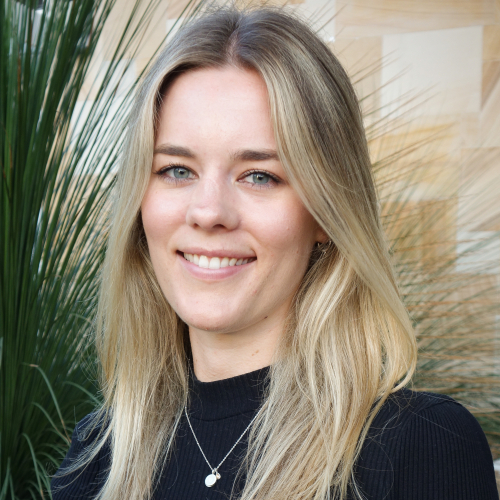
Phoebe is a Clinical Psychologist with over five years’ experience supporting individuals across the lifespan. She provides evidence-based, trauma-informed care, creating a safe and collaborative therapeutic space where clients feel heard, respected, and empowered.
Phoebe has experience in the assessment and diagnosis of neurodevelopmental conditions, including ADHD, Autism Spectrum Disorder, Specific Learning Disorders, and Intellectual Disability. She is trained in administering cognitive and academic assessments to identify strengths and areas for support.
Phoebe works with clients experiencing a range of mental health concerns, including anxiety, depression, and trauma. She offers therapy both in-person and via telehealth, using a warm, neuro-affirming approach tailored to each individual’s needs. Her practice draws on evidence-based modalities such as Cognitive Behavioural Therapy (CBT) and Dialectical Behaviour Therapy (DBT).
Phoebe is passionate about fostering resilience and supporting clients to navigate life’s challenges with confidence and compassion.
“I love working with people and the opportunity to help them feel seen, understood and supported. I’m especially passionate about providing psychological assessments to help my clients gain a better understanding of themselves and their strengths.”
Clinical Psychologist
Phoebe is a Clinical Psychologist with experience supporting individuals across the lifespan. She provides evidence-based, trauma-informed assessments, creating a safe and collaborative space where clients feel heard, respected and empowered.
Location: Sydney CBD, Telehealth

Renee is a warm and compassionate Psychologist who works collaboratively with clients to support their mental health and wellbeing. She provides evidence-based therapy to children, adolescents, adults, and couples, using approaches such as Cognitive Behavioural Therapy (CBT), Acceptance and Commitment Therapy (ACT), and Schema Therapy.
Renee has experience with a wide range of concerns, including anxiety, depression, complex PTSD, drug and alcohol addictions, OCD, and attachment-related issues. She also supports individuals and families managing chronic health conditions and offers parenting support. She creates a safe, respectful therapeutic environment where clients feel heard, valued, and empowered. Renee is passionate about building resilience, improving emotional regulation, and helping people reconnect with their values.
Her practical, goal-oriented approach helps individuals manage symptoms such as worry, low mood, trauma responses, and relationship or behavioural challenges. Renee works collaboratively to support long-term recovery and improved quality of life
“The most rewarding part of working in mental health is supporting individuals to develop the skills and insight they need to navigate life’s challenges and move toward personal growth. It’s a privilege to walk alongside people as they take that journey and step into their most authentic and empowered self.”
Registered Psychologist
Renee is a warm and compassionate Psychologist who works collaboratively with individuals and families throughout the neurodevelopmental assessment process. She is committed to providing a supportive, thorough, and evidence-based assessment experience, helping clients gain a greater understanding of their unique strengths, challenges, and support needs.
Location: Adelaide, Telehealth
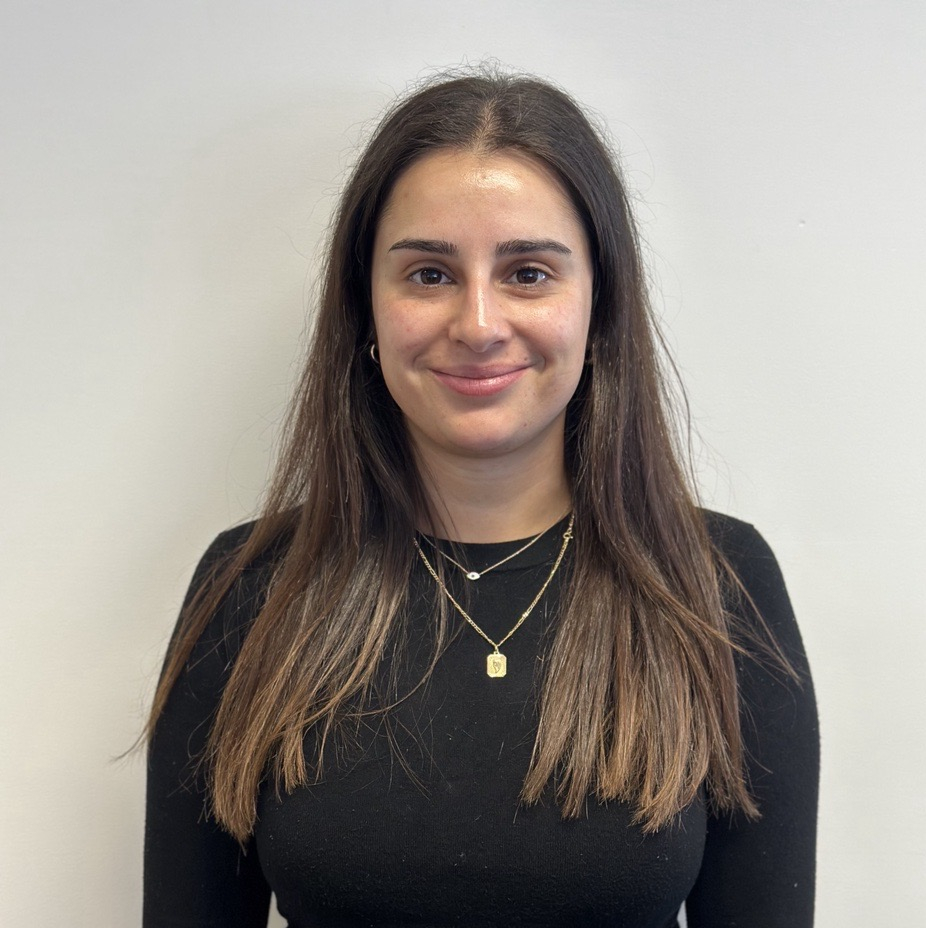
Chryso is a Registered Psychologist with many years of experience working in Rehabilitation Counselling where she supports clients with physical and psychological injuries to make a safe and sustainable return to work. She has worked across of a variety of workers compensation schemes including Comcare and Department of Veterans’ Affairs and life insurance.
Chryso draws on her compassionate and respectful approach to deliver person-centred therapy to adolescents and adults. She has supported people living with anxiety, depression, bi-polar, borderline personality disorder, drug and alcohol addictions, OCD, pain management, PTSD and trauma reactions.
When supporting her clients, Chryso utilises a range of therapies, including Cognitive Behaviour Therapy (CBT) and Acceptance & Commitment Therapy (ACT).
“I love being able to empower people to live their best lives.”
Registered Psychologist
Chryso adopts a compassionate, non-judgemental and respectful approach, creating a supportive space where clients and families feel understood throughout the assessment process. She has a particular interest in neurodevelopmental assessments, including ADHD and autism, and is committed to delivering thorough, evidence-based evaluations tailored to each individual’s presentation.
Location: Adelaide, Telehealth
What are the payment terms for an Assessment?
Access Psych requires a 50% deposit upfront to secure the assessment booking. The balance is paid on the day of the assessment appointment.
What is the cancellation policy?
If the assessment appointment is cancelled with more than 48 hours’ notice, you are eligible for a refund of your deposit.
If the appointment is cancelled with less than 48 hours’ notice, the deposit is non-refundable.
The appointment may be rescheduled within 30 days, and the deposit can be applied to the new booking.
Questionnaires must be completed at least 48 hours prior to the appointment. If they are not completed by this time, the appointment may be rescheduled or cancelled.
A member of our support team will contact you 48 hours prior to your appointment if the questionnaires have not been completed. You may opt to reschedule the assessment to the next available timeslot to allow more time to complete questionnaires.
What are the benefits of a diagnosis?
For many people, receiving a diagnosis can enable self-compassion, validation and understanding by both self and others. It can also provide access to needed support and development of strategies for managing daily challenges.
Do I need a GP Referral?
No, a GP referral is not required for an assessment.
Medicare rebates may apply for assessments when referred by a paediatrician or psychiatrist under specific MBS items (for clients under 25).
If you have a current NDIS plan, it may be possible to allocate funding to cover all or part of the assessment costs. Please consult with your support coordinator to determine whether this is possible for you.
What does the assessment process involve?
Your clinician will gather information through questionnaires and behaviour rating scales, completed by you and someone who knows you well.
For child assessments, questionnaires will be completed by the child’s parent/carer and teacher.
The assessment appointment is a clinical interview to fully understand symptoms, presentations and lived experiences. Once the report is completed, your clinician will provide an overview of the assessment results and recommendations in a feedback session.
Can the assessment be completed by telehealth?
Whether the assessment can be completed by telehealth depends on the age of the client and the type of assessment. Face-to-face assessments are offered at our CBD clinics in Sydney, Adelaide and Perth.
| Age of Client | Type of Assessment | Telehealth or face-to-face? |
| 18+ | ADHD or Autism | Both telehealth and face-to-face available |
| 6-17 years | Autism | Face-to-face only |
| 12-17 years | ADHD | Both telehealth and face-to-face available |
| 6-11 years | ADHD | Face-to-face only |
Is there a waitlist?
There is a 2 week waitlist for assessments via telehealth or at our Sydney, Perth or Adelaide CBD clinics.
Do you assess children as well as adults?
Yes. We assess children from 6 years of age, adolescents and adults. Availability of telehealth depends on age and assessment type (see above).
What sort of questions will I be asked?
Your clinician will ask you about your current concerns as well as your lived experiences of ADHD or Autistic traits from childhood through to adulthood. Your clinician will also ask about your early developmental history, family history, medical history, schooling and employment. This is to ensure they provide a comprehensive assessment and rule out other possible causes of your concerns.
Why does assessment involve someone from my childhood?
Autism and ADHD are neurodevelopmental conditions and understanding childhood history supports accurate assessment. As part of the assessment, we ask for information about your experiences from the perspective of someone who knew you in childhood.
If the assessment is based solely on your self-report, without information from another person or other supporting evidence, it may only be possible to provide a provisional diagnosis rather than a definitive diagnosis.
Why should I complete a psychological assessment rather than seeing a psychiatrist?
Completing a psychological assessment provides you with a comprehensive, neuro-affirming psychological report that answers your diagnostic questions. The assessment process follows Evidence-Based Clinical Practice Guidelines, ensuring your concerns are comprehensively explored. Your report includes personalised recommendations and options for support, regardless of whether you receive a diagnosis.
Will I need to see a psychiatrist if I am seeking medication?
Yes, you will need to consult a psychiatrist to discuss medication treatment options. Clinical Psychologists in Australia with relevant training can diagnose neurodevelopmental disorders and provide recommendations for further support, however, they do not prescribe medication.
Can I access psychology therapy following my assessment?
Yes, if you would like to access psychological support following your assessment, your clinician can refer you to one of our clinicians at Access Psych.
Will I be able to access NDIS funding or other support if I receive a diagnosis?
Your psychological report can be provided to support your application for NDIS funding, however, we are unable to guarantee the outcome and whether funding will be received, as this is determined by the NDIA.
What tools do you use?
We use validated, evidence‑based tools and clinical interviews (e.g., DIVA‑5, MIGADAS-2), plus multi‑informant questionnaires and functional measures where appropriate.
How is my privacy maintained?
The outcome of the assessment is confidential and shared only with you (and the referrer, if this is applicable).
The written report is sent to your email address following the feedback session. It will not be supplied to your workplace, or to the person who you chose to complete the initial questionnaire (the informant).
Informants only see the questionnaire link. They are not told the full assessment purpose and results are not shared with them.
What is ADHD?
AttentionDeficit/Hyperactivity Disorder (ADHD) is currently classed as a neurodevelopmental disorder, characterised by difficulties with attention and/or hyperactivity and impulsivity which adversely affect a person’s functioning in important areas of life such as psychological wellbeing, education/employment, socialising and relationships. ADHD tends to run in families.
ADHD is increasingly understood as different brain type (neurotype) characterised by lifelong differences in attentional, emotional, cognitive, behavioural regulation, and time perception, underpinned by a brain motivated by novelty, interest and urgency. These traits can adversely influence a person’s activities and participation in a majority non-ADHD society, but also lead to areas of strength including a greater ability to hyperfocus and acquire skills and knowledge in areas of interest more quickly than non-ADHD individuals.
How are adults tested for ADHD?
There are Australian Evidence-Based Clinical Practice Guidelines for Attention Deficit Hyperactivity Disorder (ADHD) developed by AADPA.
Access Psych’s assessment process follows these guidelines, including:
Who can diagnose ADHD in adults?
Any suitably qualified and trained mental health clinician can diagnose ADHD. This can include psychologists, psychiatrists, and mental health social workers. Provisional psychologists can also conduct assessments and diagnose ADHD under supervision.
Access Psych ensures that all its clinicians have undertaken suitable training in ADHD assessment and receive regular supervision.
What are the signs or symptoms of ADHD in adults?
ADHD is currently assessed against a set of diagnostic criteria laid out within the DSM-5-TR, which defines the behavioural symptoms of attentional difficulties, hyperactivity and/or impulsivity. There are inattentive, hyperactive/impulsive, or combined presentations of ADHD, and categorisation of severity based on a number of symptoms. A diagnosis of ADHD is suggested when these traits negatively impact functioning in several areas including psychological, social, academic, occupational, and activities of daily living and leisure.
However, our understanding of ADHD is advancing towards conceiving it as a different brain type (neurotype). This neuroaffirming model includes appreciation of ADHD as a neurotype characterised by lifelong differences in attentional, emotional, cognitive, behavioural regulation, and time perception, underpinned by a brain motivated by novelty, interest and urgency. These differences in self-regulation may lead to significant mental health challenges, distress, or challenges in daily life and relationships because of the expectations on the person to behave in non-ADHD ways, not because there is anything inherently wrong with the person.
Are the symptoms of ADHD different for women?
ADHD has typically been underdiagnosed in women, because the diagnostic criteria were developed based on a classic, male presentation of ADHD, and because it was incorrectly believed to affect more men than women.
Women may present with a more inattentive presentation of ADHD, which can be less obvious to other people. They may also be better at ‘masking’ – that is hiding their ADHD traits to appear non-ADHD. However, masking often leads to exhaustion, burn out and mental health challenges, and many ADHD people are now seeking out communities of other ADHD people where they can safely unmask and practice being their authentic selves.
Clinicians are getting better at identifying ADHD in women, and non-binary people.
Why is it important to be tested for ADHD?
Undiagnosed ADHD is often a source of significant trauma, substance use and poor mental health, and people may feel defective in some way because of their struggles.
Receiving an ADHD diagnosis can lead to feelings of relief as well as validation and increased self-compassion, as well as access to treatment to ease symptoms, which may include psychological therapy or medication. Receiving diagnosis later in life can also precipitate a range of other emotions including grief and other complicated feelings related to how life may have been different if they had received a diagnosis earlier.
There are more public figures who have spoken openly about having ADHD, which means that people have role models to look up to such as Chloe Hayden, an Australian Autistic and ADHD actor and advocate.
How do you treat ADHD in adults?
There are Australian Evidence-Based Clinical Practice Guidelines for ADHD developed by AADPA. Some people choose to access a psychiatrist to explore whether medication will help ease their symptoms.
What is Autism?
Autism is a different brain type that is more motivated by interest and information gathering/sharing than a non-Autistic brain. This is underpinned by differences in neural connectivity (hyperconnectivity in some brain areas, and hypoconnectivity in other areas) which can also lead to more/less sensory sensitivity, greater need for routine and/or repetitive movements to self-regulate, and deeper focus on a smaller range of interest compared to a non-Autistic brain, which can lead to experiences of intense joy.
Some Autistic people have a stronger drive for autonomy and fairness than non-Autistic people. Autism tends to run in families.
How are adults tested for Autism?
In Australia, there is a national guideline for the assessment and diagnosis of Autism, developed by Autism CRC. Access Psych’s assessment process follows these guidelines, which includes:
Who can diagnose Autism in adults?
Any suitably qualified and trained mental health clinician can diagnose Autism. This can include psychologists, psychiatrists, and mental health social workers. Provisional psychologists can also conduct assessments and diagnose Autism under supervision.
Access Psych ensures that all its clinicians have undertaken suitable training in Autism assessment and receive regular supervision.
What are the signs or symptoms of Autism in adults?
Current understanding of Autism recognises that it is a different brain type (neurotype), not a disorder, and that there are a wide range of different presentations of Autism. This has led to the saying “If you know one person with Autism, you know one person with Autism.”
Currently, Autism is assessed against a medical model, the DSM-5-TR, which defines the symptoms of Autism as lifelong, impactful difficulties in social reciprocity, non-verbal communication, as well as developing, sustaining, and understanding relationships, with repetitive behaviours, rigidity, narrow range of interests and/or sensory hyper- or hypo-sensitivity.
This has led to stigma, discrimination, misunderstanding, and under recognition of Autistic individuals, because many Autistic people do not identify with this description of their identities.
A more neuroaffirming view of Autism is that it is a neurotype characterised by lifelong differences (not deficits) in social communication, prioritising of verbal over non-verbal communication, greater ease in relationships with other Autistic people, as well as sensory differences, deep or special interests (SPINs), and use of routines and /or repetitive movements “stims” to self-regulate.
These differences may lead to significant mental health challenges, distress, or challenges in daily life because of the expectations on the person to behave.
Are the symptoms of Autism different for women?
Autism has typically been underdiagnosed in women, because the diagnostic criteria were developed based on a classic, male presentation of Autism, and because it was incorrectly believed to affect more men than women.
Women may also be better at ‘masking’ – that is hiding their Autistic traits to appear non-Autistic. However, masking often leads to exhaustion, burn out and mental health challenges, and many Autistic people are now seeking out communities of other Autistic people where they can safely ‘unmask’ and practice being their authentic selves.
Clinicians are getting better at identifying Autism in women and non-binary people. Diversity in gender identity and sexuality is known to occur at higher rates in Autistic people compared to non-Autistic people.
Why is it important to be tested for Autism?
Undiagnosed neurodivergence is often a source of significant trauma and poor mental health for Autistic people, who may feel defective in some way because of their struggles.
Receiving an Autism diagnosis can lead to feelings of relief as well as validation and increased self-compassion, but many Autistic people receiving a diagnosis later in life also experience a range of other emotions including grief and other complicated feelings related to how life may have been different if they had received a diagnosis earlier.
There are more public figures who have spoken openly about Autism, which means that Autistic people have role models to look up to, such as Chloe Hayden, an Australian Autistic and ADHD actor and advocate.
What is the Autism spectrum?
The term Autism Spectrum or Autism Spectrum Disorder has typically been used to refer to the range of functioning of Autistic people. This is now thought of in terms of the range of support needs of Autistic People.
It has also been misunderstood and taken to mean that “everyone is somewhere on the spectrum/ we’re all a little bit Autistic” which is not accurate. As awareness of Autism grows, many people now think about Autism beyond even a spectrum, to something akin to a colour wheel, as a way of attempting to capture the uniqueness of every Autistic person’s experience.
How do you treat Autism in adults?
Autism is not a disorder; therefore, it is not a condition to be treated. However, Autistic people often require support and accommodations to enable them to embrace their identity and live well in a non-Autistic world.
People with Autism often also have other types of neurodivergence such as ADHD and/or giftedness as well as physical and mental health conditions for which they need support.
To book an Autism Assessment with Access Psych, please complete the details below. One of our friendly team will contact you to make an appointment with a mental health clinician at a time that suits you.

For further information or help booking your assessment

Please call us on 1800 APSYCH (1800 277 924) to talk to our friendly team

Please email us via assessments@accesspsych.com.au